
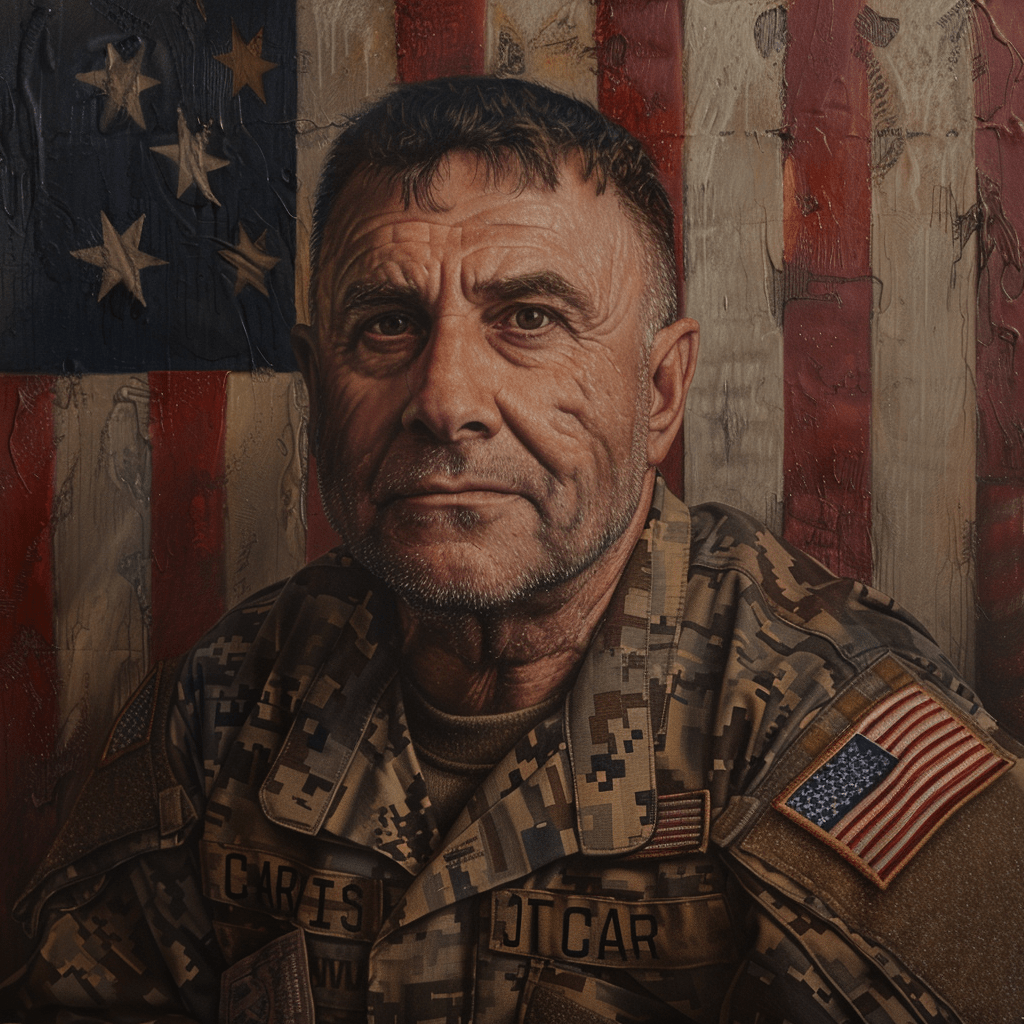
Supporting American veterans is a crucial obligation of both the government and the public, yet it remains an area in need of significant improvement and reinforcement. Veterans, having dedicated a portion of their lives to serving their country and protecting its values, face unique challenges upon returning to civilian life. These challenges range from health issues, including mental health, to economic and social integration difficulties. This article delves into why American veterans need more support from the country, examining various facets of their post-service lives and proposing areas for enhanced assistance.
Health Issues and the Need for Comprehensive Care
One of the most pressing issues facing veterans is the need for comprehensive healthcare. Many return home with physical injuries or disabilities that require ongoing medical attention. Additionally, the mental health challenges, including Post-Traumatic Stress Disorder (PTSD), depression, and anxiety, are prevalent among the veteran population. The Department of Veterans Affairs (VA) provides healthcare services, yet the system is often criticized for long wait times, bureaucracy, and insufficient access to specialized care. To address these issues, there needs to be a concerted effort to improve the VA healthcare system’s efficiency, expand access to care, and increase funding for mental health services.
Economic Challenges and Employment Support
Transitioning from military to civilian life can be a daunting task, especially when it comes to finding employment. Veterans often struggle to translate their skills and experiences into civilian job opportunities. Moreover, employers may not fully understand the value of military experience or may harbor biases against veterans, particularly those with visible injuries or mental health issues. To mitigate these challenges, there needs to be more robust support systems in place, including job training programs, resume and interview preparation services, and incentives for businesses to hire veterans. Additionally, expanding educational benefits under programs like the GI Bill can provide veterans with more opportunities to gain the skills needed for civilian careers.
Social Integration and Community Support
The transition back to civilian life also entails social and emotional adjustments. Many veterans report feeling disconnected from their communities or experiencing difficulties in relating to people who have not served. This sense of isolation can exacerbate mental health issues and hinder their integration into civilian life. Enhancing support for community-based veteran organizations and creating more spaces for veterans to connect and share their experiences can play a crucial role in their social reintegration. Moreover, public awareness campaigns can help bridge the civilian-military divide, promoting understanding and appreciation for veterans’ experiences and contributions.
Homelessness and Housing Assistance
A disturbing number of veterans face homelessness due to a combination of economic hardship, lack of affordable housing, and mental health issues. Addressing this requires not only immediate housing assistance but also comprehensive support services, including mental health care, employment assistance, and substance abuse treatment. Increasing funding for VA housing programs and collaborating with non-profit organizations can provide more stable and supportive housing solutions for veterans in need.
Legislative and Policy Support
Ultimately, supporting veterans requires a commitment at the legislative and policy level. This includes ensuring adequate funding for veterans’ services, implementing policies that facilitate their transition to civilian life, and protecting their rights and benefits. Legislators and policymakers must listen to veterans’ voices and work collaboratively with veterans’ organizations to identify and address their needs.
A Collective Responsibility
Supporting veterans is not just the government’s responsibility; it is a collective duty that encompasses all sectors of society. Businesses can contribute by hiring and training veterans, educational institutions can offer tailored programs and support services, and communities can foster environments that welcome and include veterans. Moreover, individual actions, such as volunteering with veteran organizations or simply expressing gratitude for their service, can make a significant difference in veterans’ lives.
Conclusion
American veterans have made immense sacrifices for their country, and in return, they deserve unwavering support as they transition back to civilian life. Addressing their health care, employment, social integration, and housing needs is not only a matter of fulfilling a moral obligation but also a way to honor their service and contributions. By improving existing support systems and implementing targeted initiatives, the country can better support its veterans, ensuring they have the opportunities and resources they need to thrive after their service. It’s a long-term commitment that requires the involvement of the entire nation, a commitment that is essential for honoring the sacrifices veterans have made.
 Proud Veterans
Leave a comment